Sponsoring a Spouse With Prior Immigration Violations: Common Obstacles and Solutions
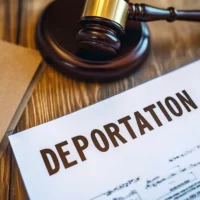
A valid marriage does not erase a spouse’s earlier immigration history. Prior entries, overstays, removal orders, and statements made during earlier applications remain part of the government record when U.S. Citizenship and Immigration Services reviews a marriage-based green card case. A filing that begins with proof of a bona fide relationship can quickly shift toward admissibility and whether the foreign national has a lawful path to permanent residence.
Earlier immigration violations do not all carry the same consequences. An overstay, an entry without inspection, a prior removal order, or a finding of inadmissibility can place the case on very different procedural paths. Working with an experienced New York marriage green card lawyer can help identify the problem before USCIS raises it during an adjustment interview or a consular officer applies an inadmissibility bar abroad.
When an Overstay Does Not Prevent Adjustment of Status
A spouse who entered the United States with inspection and later overstayed a visa can still qualify to adjust status through marriage to a U.S. citizen. Immediate relatives are exempt from several adjustment bars that otherwise apply to applicants who failed to maintain lawful status or accepted unauthorized employment.
The exemption does not eliminate every eligibility requirement. Adjustment under INA § 245(a) generally requires a lawful admission or parole, and USCIS will still examine the manner of entry, prior immigration filings, criminal history, and any applicable ground of inadmissibility. A lawful entry followed by an overstay presents a very different case from entry without inspection.
Entry Without Inspection Changes the Filing Path
Marriage to a U.S. citizen does not ordinarily allow a spouse who entered without inspection to complete adjustment of status under the standard § 245(a) process. Approval of Form I-130 can establish the qualifying relationship, but it does not cure the absence of a lawful admission or parole.
Consular processing can provide a path forward, though departure can trigger unlawful-presence consequences. Certain applicants also qualify for adjustment under INA § 245(i) based on a petition or labor certification filed on or before April 30, 2001. Resolving the manner of entry before filing is critical because submitting Form I-485 without a viable adjustment basis can expose the applicant’s presence without moving the case toward permanent residence.
How Unlawful Presence Creates Three- and Ten-Year Bars
Unlawful presence becomes a separate problem when the foreign national leaves the United States for consular processing. A departure after more than 180 days of unlawful presence can trigger a three-year bar, while a departure after one year or more can trigger a ten-year bar under INA § 212(a)(9)(B).
A provisional unlawful presence waiver can allow an eligible applicant to seek forgiveness of that ground before departing for the immigrant visa interview. Approval generally requires proof that refusing admission would cause extreme hardship to a qualifying U.S. citizen or lawful permanent resident spouse or parent. An approved Form I-601A addresses unlawful presence only; it does not waive fraud, criminal grounds, or another inadmissibility problem discovered during consular processing.
Prior Removal Orders Require Separate Attention
A prior removal order can remain enforceable even after marriage to a U.S. citizen and approval of the family petition. USCIS does not cancel the order merely because the relationship is genuine. The procedural response depends on how the order was entered and whether the foreign national later departed or returned to the United States.
A motion to reopen can be necessary before the spouse can pursue adjustment or consular processing safely. The filing must address the legal basis for reopening rather than relying on the marriage alone. Departing while an order remains unresolved can trigger additional inadmissibility consequences and make the path back to the United States substantially harder.
What Happens When Earlier Records Contain False Information
Prior visa applications, border interviews, asylum filings, and benefit requests can create a serious obstacle when the government finds a willful misrepresentation of a material fact made to obtain an immigration benefit. USCIS must determine that the statement was false, material, and made willfully before applying the fraud or misrepresentation ground under INA § 212(a)(6)(C)(i).
A waiver under INA § 212(i) can be available when the applicant has a qualifying U.S. citizen or lawful permanent resident spouse or parent and can establish extreme hardship. A successful waiver addresses the government record directly and explains why the qualifying relative’s hardship supports favorable discretion.
When a False Claim to Citizenship Creates Greater Risk
A false claim to United States citizenship carries consequences that are often more severe than ordinary misrepresentation. The problem can arise from an employment form, voter-registration record, application for a public benefit, or statement made to an immigration officer. USCIS examines the precise representation, the purpose for which it was made, and the law in effect at the time.
Most applicants do not have access to the broad waiver available for ordinary fraud or misrepresentation. Earlier immigration filings need to be analyzed before the marriage-based application is submitted because an incorrect admission during the adjustment interview can make the allegation harder to contest. The actual document or statement—not assumptions about what happened—should guide the legal response.
Preparing the Case Before USCIS Raises the Violation
A marriage-based filing begins with a clear account of the foreign national’s immigration history. Passport entries, visa applications, immigration-court records, and government correspondence can reveal whether the case involves a curable status violation or a ground requiring a waiver or reopening strategy.
Form I-130 approval does not guarantee that permanent residence will follow. The petition establishes the marital relationship, while admissibility and adjustment eligibility remain separate legal questions. Guidance from a knowledgeable marriage green card lawyer in New York can help place an earlier violation in the proper procedural posture before it becomes the central dispute during adjustment or consular processing.
Contact The Law Offices of Meri S. Ponist, P.C.
If your spouse has a prior overstay, removal order, unlawful entry, or another immigration violation, the path to permanent residence often depends on identifying the problem before the government does. A filing strategy that fits one violation can create additional obstacles when applied to another.
The Law Offices of Meri S. Ponist, P.C. represents couples navigating marriage-based immigration cases involving prior violations, inadmissibility questions, and waiver applications. Contact us to speak with a trusted New York marriage green card lawyer and learn how we can evaluate the immigration history and build a lawful path toward permanent residence.