

Recent Blog Posts
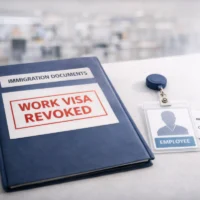
What the End of Automatic Work Permit Extensions Means for U.S. Employers
A foreign national who submits a work permit renewal on time could still lose authorization to continue working while U.S. Citizenship and Immigration Services (USCIS) processes the application. For employers, that delay could mean losing an experienced employee for weeks or months, even when the worker remains eligible for renewed authorization. On October 14,… Read More »

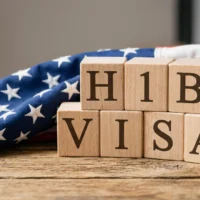
How New H-1B Layoff Scrutiny Could Affect Employer Sponsorship
A workforce reduction that occurred months before an immigration filing may now receive closer federal attention. On September 18, 2026, an executive order directed the Departments of State, Labor, and Homeland Security to consider whether a sponsoring employer engaged in layoffs during the previous year or plans future layoffs that negatively affect similarly situated… Read More »

What E-2 Investors Need to Know Before Buying an Existing U.S. Business
Buying an established U.S. company gives an E-2 investor a record of what the business has already done. Revenue, customers, employees, leases, contracts, and operating history can help establish a functioning enterprise. They can also expose weaknesses once the acquisition becomes part of an E-2 visa application. The purchase price is only one part… Read More »

Removal Proceedings After Visa Overstays: Available Forms of Relief
A temporary visa gives a noncitizen permission to remain in the United States for a limited period. Staying beyond the authorized period can eventually lead to removal proceedings, even when the person originally entered the country lawfully and has since built a family, career, or long-term life in the United States. An overstay does… Read More »

How New H-1B Visa Rules Are Reshaping Sponsorship in 2026
H-1B sponsorship changed substantially for 2026, beginning with the way USCIS selects cap-subject registrations. The FY 2027 system now gives greater selection weight to higher wage levels, bringing compensation and position planning into the process earlier than under the previous lottery. Employers and foreign professionals also face recent changes at later stages of an… Read More »

Premium Processing Expansion: When Is It Worth the Cost — and When Is It Not?
Premium processing can remove one of the most frustrating parts of an immigration case: waiting without knowing when USCIS will act. Recent expansion has made the service available in more employment-based and related filings, while the March 1, 2026 fee increase has made the choice more expensive. Paying for speed makes sense when a… Read More »

E-1 Visa Eligibility for Service Businesses: When Cross-Border Services Qualify as Trade
International service businesses may generate substantial cross-border revenue without shipping a product. Their work can move through professional advice, technical services, or remote collaboration rather than inventory. E-1 treaty trader status can extend to that type of commerce. Service companies, however, often document their transactions through contracts, invoices, client relationships, and payment records instead… Read More »

Building Strong Extreme Hardship Evidence for Family-Based Waiver Applications
Extreme hardship is one of the most demanding parts of many family-based immigration waiver applications. A family may be facing genuine medical, financial, or personal difficulties if a loved one cannot remain in or return to the United States, yet a waiver application still has to show why those difficulties rise above the consequences… Read More »

Public Charge Considerations in Adjustment of Status: Financial Evidence and Risk Mitigation
For adjustment of status applicants, financial eligibility is about to receive closer attention. A Department of Homeland Security final rule taking effect on September 18, 2026, rescinds the 2022 public charge regulations and restores broader discretion to immigration officers reviewing whether an applicant is likely to become a public charge. No single income cutoff… Read More »

Common O-1 Petition Weaknesses for Entrepreneurs and Startup Founders
Startup founders often enter the O-1 process with achievements that sound extraordinary in a business setting. A company may have attracted venture capital, launched an innovative product, secured major customers, or expanded into a competitive market. Those developments can create a strong entrepreneurial profile while leaving an important immigration question unresolved: how much of… Read More »