

Category Archives: General

E-2 Visa Renewals: Demonstrating Ongoing Investment and Business Viability
Receiving an initial E-2 visa approval is only the beginning of the investor’s relationship with U.S. immigration authorities. Every renewal requires a fresh showing that the business still satisfies the requirements of treaty investor classification. USCIS or the consular officer will look beyond the original capital contribution and examine how the enterprise has operated… Read More »

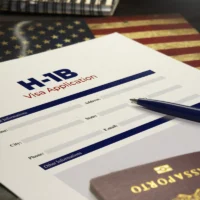
Maintaining Status During an H-1B RFE: Bridging Gaps and Portability Risks
An H-1B Request for Evidence can arrive while the current approval is nearing expiration or after the employee has started work for a new petitioner. The case remains pending, but the RFE does not create a new period of status or independently extend employment authorization. The controlling dates still come from the Form I-94… Read More »

Biometrics Reuse Policies and Their Effect on Adjustment Timelines
Biometrics can appear to be a routine step after filing Form I-485, but the notice USCIS sends can determine whether the application moves directly into security screening or pauses for an appointment at an Application Support Center. A prior fingerprint record does not guarantee that USCIS will reuse it, and reuse does not mean… Read More »
Temporary Restraining Orders in Removal Cases: Emergency Relief Standards
A scheduled removal can compress federal litigation into hours or days. The legal team must identify the correct court, establish jurisdiction, and present admissible evidence before the government carries out the removal order. A temporary restraining order cannot repair weak procedural positioning after removal has already occurred. Federal immigration statutes channel most challenges to… Read More »
Litigating Delayed Naturalization Applications in Federal Court
A naturalization delay takes on a different legal character after the applicant completes the USCIS examination and the agency still does not issue a decision. The problem is no longer limited to slow processing. Once the statutory waiting period expires, federal law can give the applicant a direct path into district court. That remedy… Read More »

Administrative Appeals Office vs. Board of Immigration Appeals: Key Differences
When an immigration petition or application is denied, the next step is not always the same. Some decisions are reviewed by the Administrative Appeals Office (AAO), while others proceed to the Board of Immigration Appeals (BIA). Although both serve appellate functions within the immigration system, they review different types of cases, apply different procedures,… Read More »

Affidavit of Support Enforcement: Financial Liability and Sponsor Risk in Marriage-Based Cases
Sponsoring a spouse for a marriage-based green card involves more than completing immigration forms. One of the most significant commitments is the Affidavit of Support, Form I-864, which can create a financial obligation that lasts far beyond the filing itself. Many sponsors sign the form believing it is only part of the application package…. Read More »
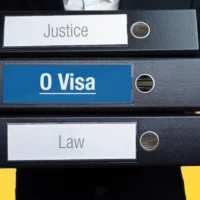
O-1 Petitions for Creative Professionals: Building Evidence Beyond Awards and Publications
Creative professionals often assume that an O-1 visa case depends on awards, major press, or a long list of published credits. Those forms of recognition can be valuable, but they are not the only way to show extraordinary ability or achievement. Many creative careers are built through commissioned work, influential collaborations, selective projects, critical… Read More »
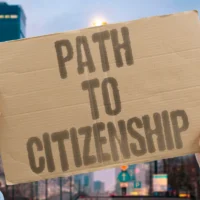
Naturalization Through Military Service: Eligibility and Special Procedures
Military service can create a distinct path to U.S. citizenship for lawful permanent residents, certain noncitizens serving in the U.S. Armed Forces, and veterans who qualify under special naturalization provisions. The process is still governed by strict eligibility rules, but honorable service can allow applicants to use procedures that differ from ordinary naturalization requirements…. Read More »

Defending Against Fraud Allegations in Immigration Court
Fraud allegations in immigration court can change the direction of a removal case quickly. A claim that someone misrepresented a fact on a visa application, green card filing, asylum application, border interview, or prior immigration form can affect eligibility for relief and the way an immigration judge views the record. The consequences can be… Read More »