

Category Archives: General

Advance Parole Risks for Adjustment Applicants in Removal Proceedings
For noncitizens pursuing adjustment of status while simultaneously facing removal proceedings, travel outside the United States presents a complex and often misunderstood set of legal risks. Advance parole, which allows certain applicants to temporarily leave and reenter the country without abandoning a pending application, may appear to offer flexibility. However, for individuals in removal… Read More »

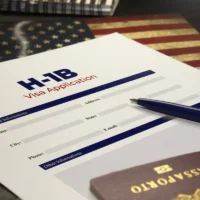
Third-Party Worksite H-1B Petitions: Contracts, Control, and Itineraries
Why Third-Party Placement Triggers Heightened USCIS Scrutiny H-1B petitions involving placement at third-party worksites have long been subject to heightened review by U.S. Citizenship and Immigration Services (USCIS). These cases, common in industries such as information technology, consulting, and engineering, raise recurring questions about whether a valid employer-employee relationship exists and whether the sponsoring… Read More »

Good Moral Character Determinations: Statutory Bars and Discretionary Denials
Understanding the Good Moral Character Requirement Good moral character is one of those immigration-law terms that sounds straightforward until a real case puts pressure on it. Many applicants assume the inquiry is limited to whether they have a criminal record. In reality, the analysis is broader, more nuanced, and sometimes more subjective than clients… Read More »

Naturalization Delays and Federal Court Actions Under 8 U.S.C. § 1447(b)
When a Naturalization Delay Becomes a Legal Problem Naturalization applicants are often prepared for a process that takes time. They gather records, attend biometrics, study for the civics test, and wait for the interview. What they do not always expect is to complete the interview successfully and then hear little or nothing for months… Read More »

ICE Notices of Inspection: First 72 Hours of an Employer Response
Why the First 72 Hours Matter For employers, an ICE Notice of Inspection is one of the most disruptive compliance events that can arrive without warning. Whether the company has ten employees or several hundred, the first 72 hours after service of the notice are critical. Decisions made in that early window can shape… Read More »

Crimes Involving Moral Turpitude: The Categorical Approach in Immigration Law
Why CIMT Analysis Is So Important Few areas of immigration law create as much confusion as crimes involving moral turpitude, commonly called CIMTs. The phrase sounds moralistic and old-fashioned, and in many ways it is. Yet it remains deeply consequential in modern immigration practice. A CIMT finding can affect admissibility, deportability, eligibility for relief,… Read More »